Regular and NPH insulin: differences and how to store them
Regular and NPH insulin are two of the most widely used human insulins in diabetes treatment, both in the hospital and at home. Although they are injected with the same technique, they act very differently, and understanding that difference helps to use them safely.
Why is insulin needed?
Insulin is the hormone that allows glucose in the blood to enter the cells so it can be used as energy. In type 1 diabetes the body stops producing it, and in many cases of type 2 diabetes production is insufficient or the body does not respond well to it. In those cases, injected insulin replaces or supplements the body's own insulin.
Regular insulin: fast and short action
Regular insulin, also called crystalline insulin, is a clear solution. It starts working about 30 minutes after injection, reaches its peak effect between two and four hours, and lasts several more hours. That is why it is usually given before meals, to control the rise in glucose that they cause, and in the hospital to correct high glucose levels, even intravenously under strict monitoring.
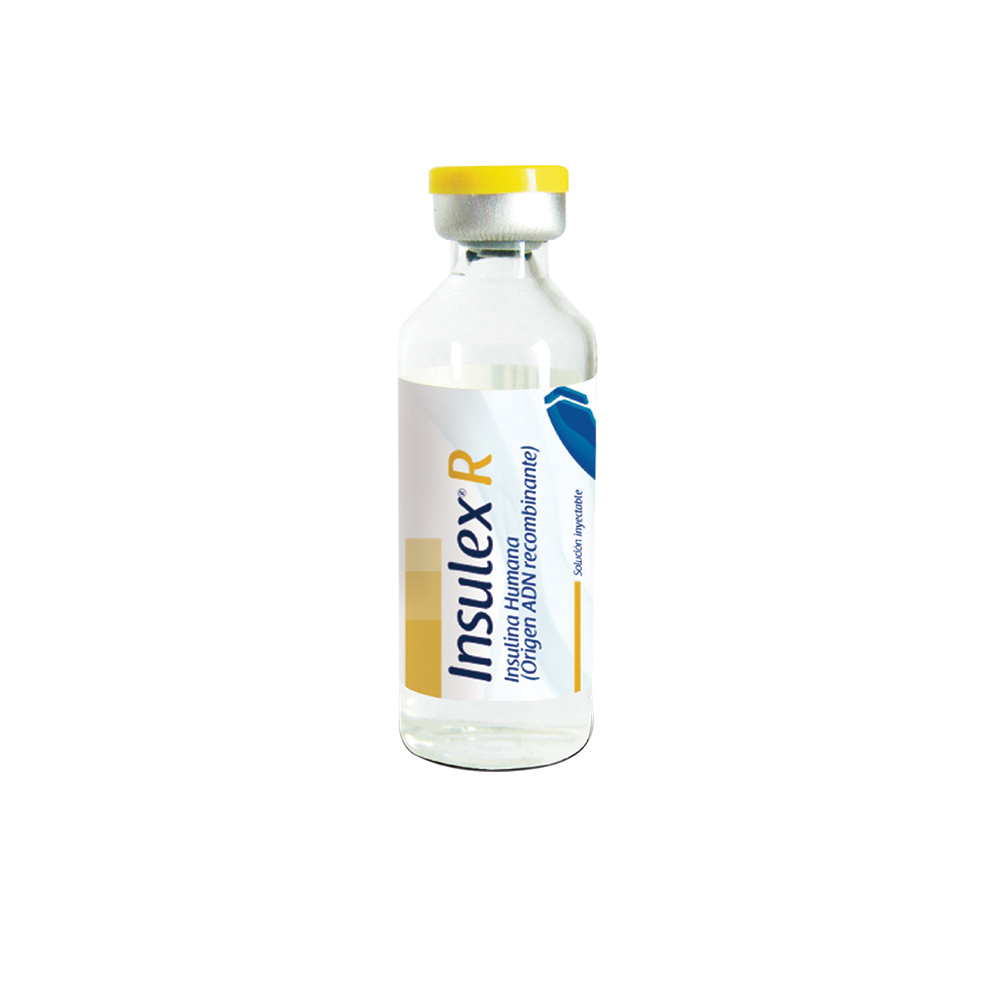
We carry it as Insulex R 100 IU/mL, in a 10 mL vial.
NPH insulin: intermediate action
NPH insulin looks cloudy because it contains protamine, a substance that slows its absorption. It starts working one to two hours after injection, and its effect extends over a good part of the day, so it covers insulin needs between meals and overnight. It is usually given once or twice a day.
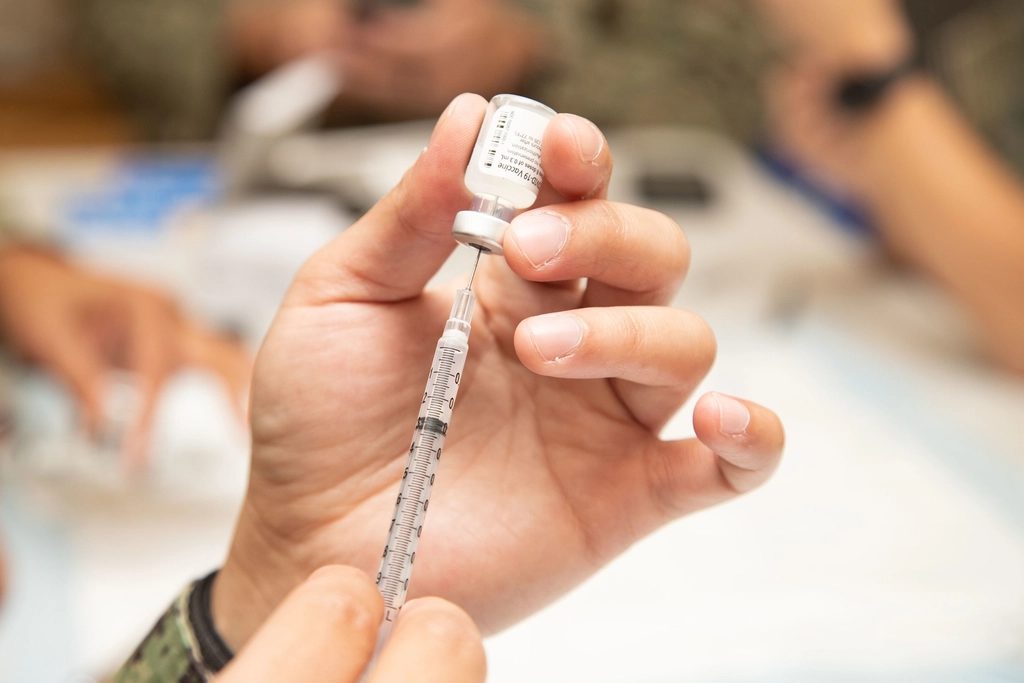
Before drawing it into the syringe, the vial is gently rolled between the hands, without shaking it hard, until the contents look uniform. You can find it as Insulex N 100 IU/mL.
Can regular and NPH insulin be used together?
Yes. Many regimens combine an intermediate-acting insulin, which provides the baseline for the day, with a fast-acting insulin before meals. When they are mixed in the same syringe, the usual technique is to draw up the clear insulin first and then the cloudy one. The dose and timing of each are always set by the treating physician based on the patient's blood glucose readings.
Where to inject it
Insulin is injected into the fatty tissue under the skin: the abdomen, the outer part of the arms, the thighs, or the buttocks. It is important to rotate injection sites within the same area, because always injecting at the same spot causes hardened areas that alter absorption and make glucose levels unpredictable.
How to store insulin
- Vials that are not in use are kept in the refrigerator, between 2 and 8 °C (36 and 46 °F), never in the freezer or right next to the freezer compartment.
- The vial in use can be kept at room temperature, away from sunlight and heat, for the time stated in the package insert, which is usually about four weeks.
- Do not use insulin that has been frozen, has been exposed to heat, or changes in appearance: clumps or crystals in NPH, or cloudiness in regular insulin.
- Write on the vial the date you opened it.
Watch out for hypoglycemia
The main risk of any insulin is low blood sugar. Sweating, shaking, palpitations, intense hunger, or confusion are warning signs. When they appear, glucose should be measured and fast-acting sugar consumed according to the instructions of the healthcare team.
If your institution or pharmacy needs insulin, you can request a quote in our online store. To learn more about diabetes, see the information from the World Health Organization.
This article is for informational purposes only and does not replace a medical consultation. The medications mentioned require a prescription and must be used under the supervision of a healthcare professional.