Chemotherapy Nausea: How It Is Prevented and Treated

For a long time, chemotherapy nausea was one of the most feared side effects of cancer treatment. Today the situation is very different: with current medicines and regimens, most patients can prevent it or reduce it significantly. The key is to stay one step ahead. In this article we explain why it happens, which medicines are used to prevent it and which simple measures help at home.
Why does it happen?
Some chemotherapy drugs stimulate the centers in the brain that control vomiting, either directly or through substances released in the intestine, such as serotonin. Not all regimens cause nausea with the same intensity: oncologists classify each treatment according to its risk, from high to minimal, and choose the prevention strategy based on that risk.
Types of chemotherapy nausea
- Acute: it appears within the first 24 hours after the infusion.
- Delayed: it starts after the first day and can last for several days.
- Anticipatory: it occurs before a new session, triggered by the memory of previous bad experiences. Good prevention from the very first cycle helps keep it from appearing.
The medicines that prevent it
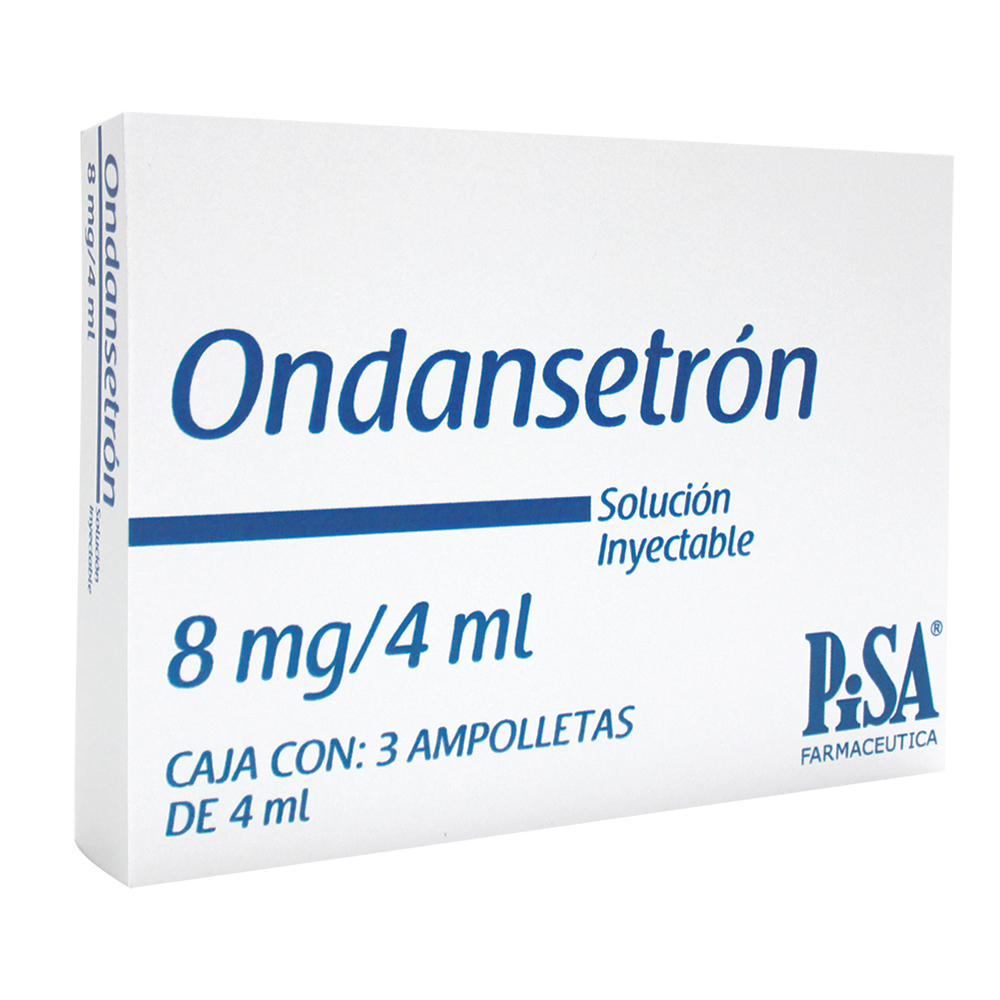
Serotonin (5-HT3) antagonists. They block the serotonin signal and are the foundation for preventing acute nausea. The best known is ondansetron, which we carry as Ondansetron 8 mg ampoule.
NK1 receptor antagonists. They act on a different pathway, that of substance P, and are especially useful for delayed nausea in higher-risk regimens. Fosaprepitant is given intravenously before chemotherapy: you can find it as Apritant IV (fosaprepitant 150 mg).
Corticosteroids. Dexamethasone enhances the effect of the medicines above and is part of many regimens.
Other antiemetics. Metoclopramide is used as a rescue medicine when nausea appears despite prevention, always as directed by the physician.
Measures that help at home
- Eat small portions several times a day instead of three large meals.
- Choose bland foods served at room temperature and with little odor.
- Avoid very greasy, spicy or very sweet foods.
- Sip fluids throughout the day to avoid becoming dehydrated.
- Rest sitting up or reclining with the head raised after eating.
- Take the anti-nausea medicines on the prescribed schedule, even if the patient feels well.
Family support
The family plays an important role in the days following each cycle. Helping keep a record of nausea, vomiting and what the patient manages to eat allows the oncologist to adjust prevention for the next cycle. It also helps to keep the home well ventilated, avoid cooking strong-smelling foods near the patient, and offer cold drinks or crushed ice, which many people tolerate better. Some people find relief with relaxation techniques, slow breathing or distraction, which complement the medicines but do not replace them. And when the appetite returns, it is worth making the most of it with nutritious foods: maintaining weight helps the patient tolerate the following cycles better.
When to contact the care team
The patient should contact their oncology team if they vomit several times in one day, are unable to drink fluids, urinate very little or feel dizzy when standing up. Dehydration can be treated in time, and the prevention regimen can be adjusted for the next cycle. Writing down these questions before each appointment also makes the conversation with the team easier.
The U.S. National Cancer Institute offers a complete Spanish-language guide on nausea and vomiting related to cancer treatment.
If your institution needs these products, add them to your list in our online store and request a quote: we will get back to you with availability and prices.
This article is for informational purposes only and does not replace medical advice. The medicines mentioned require a medical prescription and must be used under the supervision of a healthcare professional.