Intravenous iron: when it is needed to treat anemia
Intravenous iron is an increasingly used tool to correct iron deficiency anemia, the most common form of anemia in the world. It makes it possible to replenish the body's iron stores in just a few sessions, which is especially valuable when oral iron does not work, is not tolerated, or does not have time to act.
Iron deficiency anemia
Iron is essential for making hemoglobin, the protein in red blood cells that carries oxygen. When it is lacking, fatigue, paleness, shortness of breath on exertion, hair loss, brittle nails, and difficulty concentrating appear. The most common causes are blood loss, for example heavy menstrual periods or gastrointestinal bleeding, pregnancy, a diet low in iron, and problems with intestinal absorption.
The first step is always to find the cause: treating anemia without knowing why it appeared can hide a disease that needs attention.
When is intravenous iron preferred?
- When the patient does not tolerate tablets because of digestive discomfort.
- When the intestine does not absorb iron well, as in celiac disease, inflammatory bowel disease, or after some stomach surgeries.
- In chronic kidney disease, especially in patients on dialysis.
- When anemia needs to be corrected quickly, for example before a scheduled surgery or in the second and third trimesters of pregnancy, at the physician's discretion.
- When blood loss is greater than what oral iron can replace.
Iron sucrose
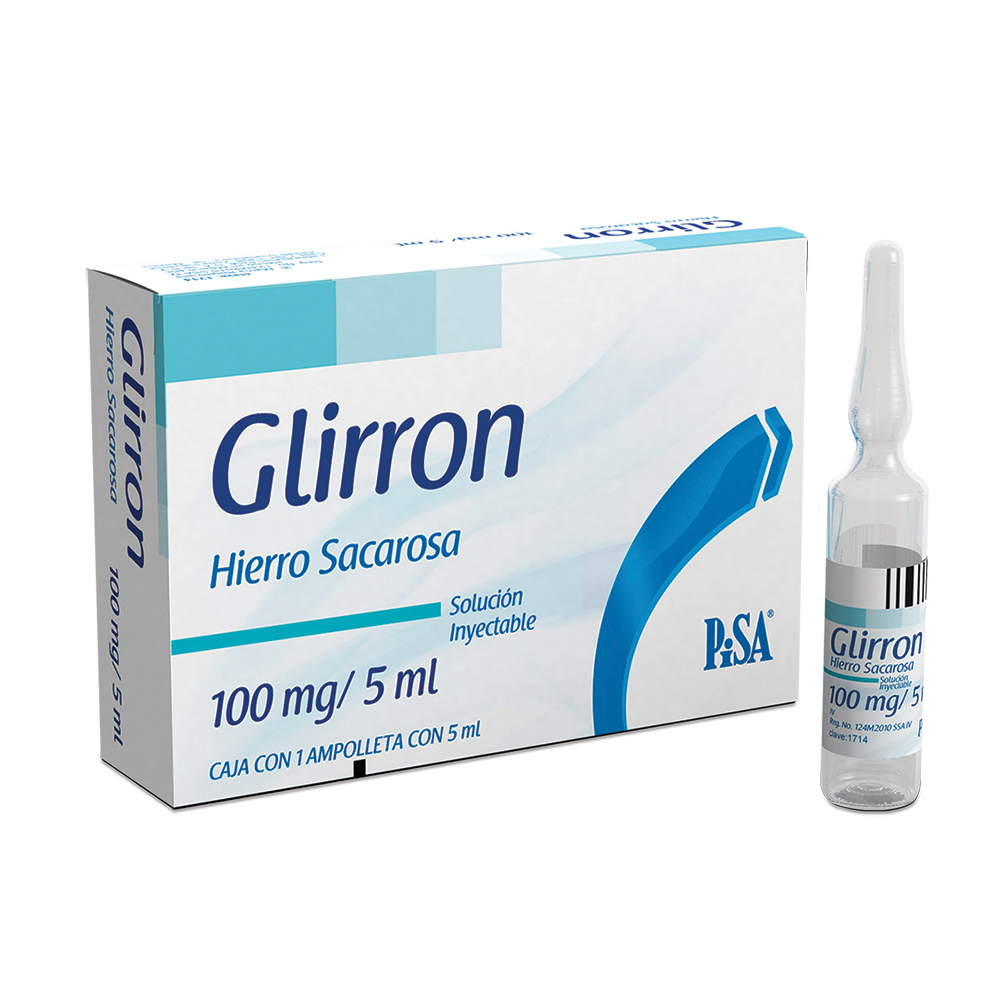
One of the most widely used forms of intravenous iron is iron sucrose, also known as ferric oxide saccharate. It is given diluted in saline solution or as a slow injection, as indicated in the package insert, over several sessions until the total dose calculated by the physician based on the patient's weight and hemoglobin is completed. We carry it as Glirron 100 mg in a 5 mL ampoule.
Safe administration of intravenous iron
Serious reactions are uncommon with current formulations, but they can occur. That is why it is given in a healthcare facility, by trained staff and with the equipment needed to manage an allergic reaction, and the patient remains under observation for at least 30 minutes after each dose.
During the infusion, the puncture site is monitored: if the drug leaks out of the vein, it can stain the skin brown for a long time. If there is pain or swelling in the arm, the infusion is stopped.
Oral or intravenous iron
Intravenous iron does not replace oral iron in every case. Tablets remain the first choice for many people: they are inexpensive, are taken at home, and work well when the intestine absorbs normally and there is no rush to correct the anemia. Taking them on alternate days or on an empty stomach improves their absorption in some people. The intravenous route is reserved for the situations described above, in which it offers a clear advantage.
Follow-up
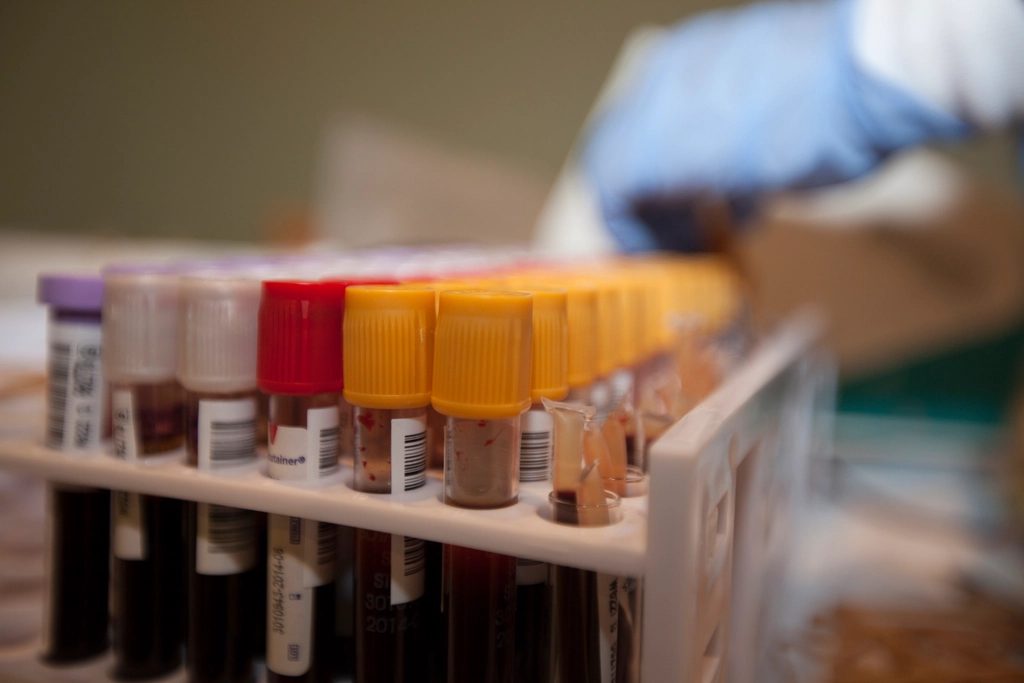
Hemoglobin begins to rise within the first few weeks. Laboratory tests, which include hemoglobin and ferritin, are done several weeks after the treatment is completed, once the iron has been incorporated into the body's stores. If the cause of the deficiency persists, the treatment may need to be repeated later on.
The World Health Organization offers a fact sheet on anemia, its causes, and its impact on public health.
If your institution needs these products, add them to your list in our online store and request a quote: we will get back to you with availability and prices. Our team can also help you identify the presentations that best fit your institution's needs.
This article is for informational purposes only and does not replace a medical consultation. The medications mentioned require a prescription and must be used under the supervision of a healthcare professional.