Personal Protective Equipment in Healthcare: What to Use and How
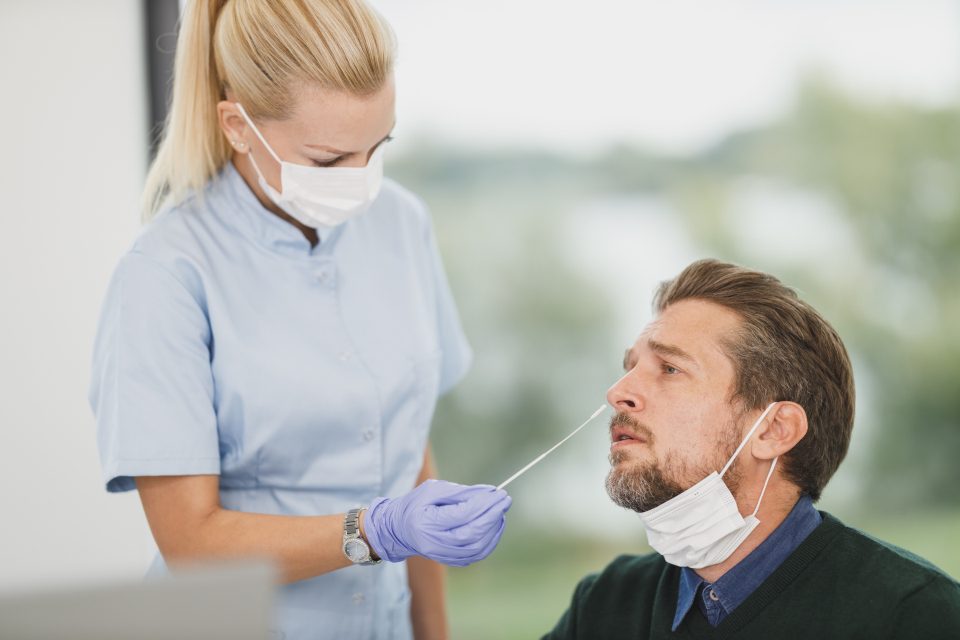
Personal protective equipment (PPE) is the barrier that protects healthcare personnel from blood, body fluids and microorganisms, and that also protects the patient. Its effectiveness depends both on choosing the right item and on using it properly: a poorly fitted face mask or gloves that touch the face give a false sense of security. Below we review the main items, how they are used according to the type of isolation and the most frequent mistakes.
The main types of personal protective equipment
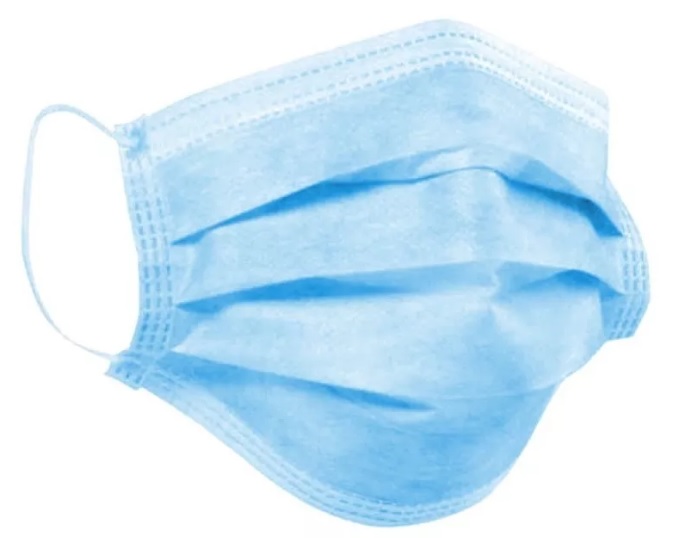
Face mask or surgical mask. It protects against splashes and large droplets and prevents the wearer from contaminating the environment. Three-ply masks with a nose clip are the most widely used in everyday care. We carry the hospital-grade face mask. For aerosol-generating procedures or for diseases transmitted through the air, a high-efficiency respirator is required, which is a different item.
Examination gloves. They are used when touching blood, fluids, mucous membranes, broken skin or contaminated material. Latex gloves offer good sensitivity and fit: you can find them as latex examination gloves. For people who are allergic to latex, nitrile alternatives are available.
Cap. It contains the hair and keeps it from falling onto sterile fields or wounds. The disposable bouffant cap comes in packs of 50 units.
Gown and eye protection. The gown protects the skin and clothing from splashes; goggles or a face shield protect the eyes during procedures with a risk of splashing.
Personal protective equipment by type of isolation
Standard precautions apply to all patients: hand hygiene and gloves for contact with fluids, plus a face mask, gown and goggles when there is a risk of splashing. Additional precautions are added according to the route of transmission. In contact isolation, a gown and gloves are added to enter the room. In droplet isolation, a surgical mask is worn when close to the patient. In airborne isolation, as with tuberculosis, a well-fitted high-efficiency respirator and an appropriate room are required. A sign on the door indicates which items must be used. Visitors should also receive clear instructions on how to use them, because a poorly protected family member can carry the infection to other patients or to their own home.
Order does matter
Putting on and taking off the equipment in the correct order prevents self-contamination. A common sequence for putting it on is: hand hygiene, gown, face mask or respirator, goggles or face shield and, finally, gloves. To take it off, the most contaminated items come off first: gloves, then the gown, hand hygiene, then the goggles and face mask, handling them by the straps, and hand hygiene again. Each institution defines its protocol according to the patient's type of isolation. It is worth reviewing it periodically with the whole team.
Common mistakes
- Using the same pair of gloves to care for two different patients.
- Pulling the face mask down to the chin and then back up again.
- Touching a cell phone, the medical record or the face with gloves on.
- Replacing handwashing with gloves: gloves do not take its place.
- Reusing items that are disposable.
Disposal and storage
Items used in patient care are discarded as biological waste, in the bags and containers defined by the institution's waste management plan. New items are stored in a clean, dry place protected from sunlight, with enough inventory so as not to run out of them at a time of high demand.
Hand hygiene remains the most important measure to prevent infections in healthcare. The Pan American Health Organization brings together guidelines and resources (in Spanish) on infection prevention and control.
If your institution needs these products, add them to your list in our online store and request a quote: we will get back to you with availability and prices.