Oncology drugs: keys to safe handling

Oncology drugs are fundamental in cancer treatment, but many of them are cytotoxic: they act on rapidly dividing cells and, for that reason, they can also affect anyone who handles them without protection. Their safe handling is a responsibility shared by the supplier, the pharmacy service, and the nursing team.
Some commonly used oncology drugs
- Gemcitabine: an antimetabolite used in several types of solid cancer. Available as Gemcitabina 1 g.
- Cytarabine: an antimetabolite used mainly in hematologic malignancies. We carry it as Novutrax 500 mg.
- Vincristine: a vinca alkaloid included in many chemotherapy regimens. Available as Crivosin 1 mg.
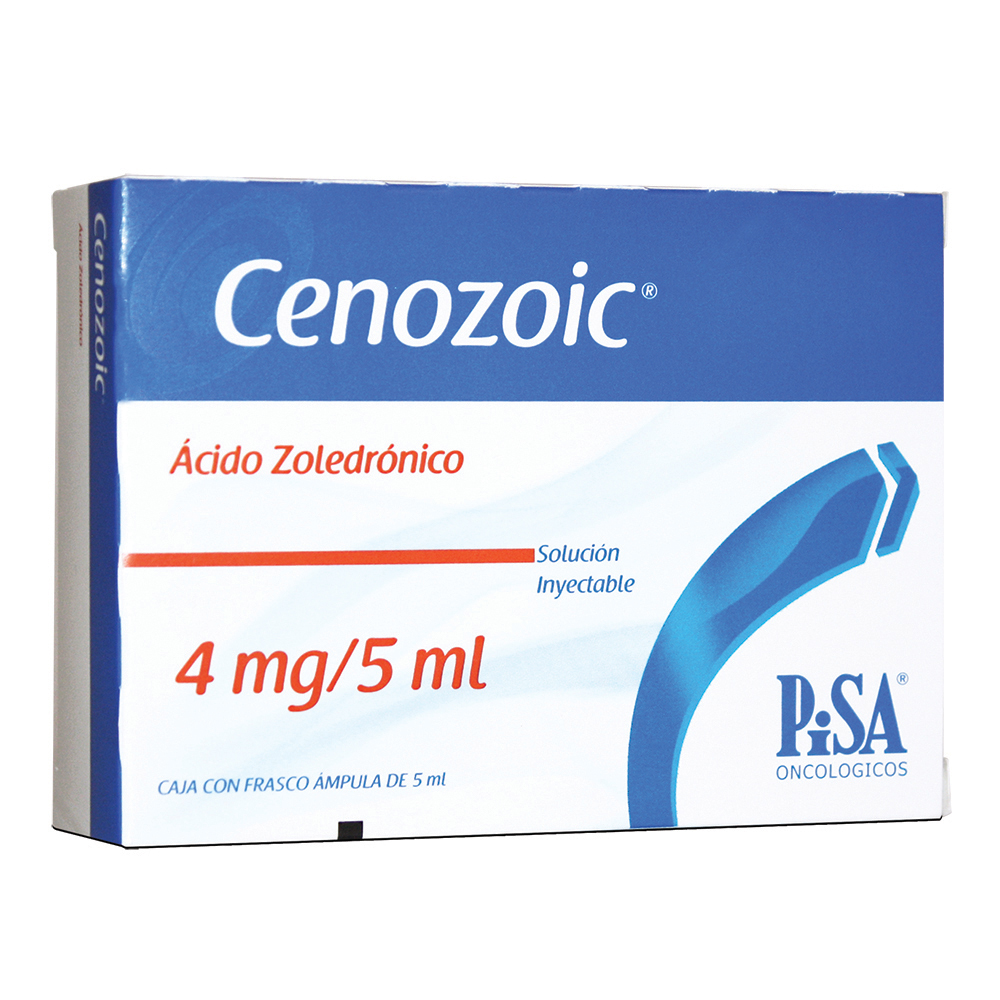
- Zoledronic acid: it is not a cytotoxic drug but a bisphosphonate used to protect the bone in patients with bone metastases and to treat cancer-related hypercalcemia. You can find it as Cenozoic 4 mg.
Storage and cold chain
Each product's package insert states its storage temperature, whether it must be protected from light, and how long it remains stable after being reconstituted or diluted. Some require refrigeration between 2 and 8 °C (36 and 46 °F). A break in the cold chain can cause the drug to lose effectiveness without any visible change, so it is advisable to keep a continuous record of the temperature of refrigerators and storerooms.
Safe preparation
Cytotoxic drugs should be prepared in an area designated for that purpose, ideally in a biological safety cabinet, by trained staff wearing protective equipment: suitable gloves, an impermeable gown, and respiratory and eye protection. Closed-system transfer devices reduce exposure to vapors and splashes.
Each preparation is labeled with the patient's name, the drug, the dose, the route, the date, and the expiration time. Waste, including gloves and used equipment, is disposed of as hazardous waste in accordance with current regulations.
Administration: always verify the route
Before administering any of these oncology drugs, an independent double check of the patient, the drug, the dose, the route, and the infusion rate is recommended. One case deserves special mention: vincristine is for intravenous use only, and giving it by any other route can be fatal. That is why it is prepared in infusion bags and clearly labeled.
During the infusion, the puncture site is monitored, because extravasation of some cytotoxic drugs can damage the tissues. The team must know the protocol in order to act immediately if it occurs.
Education for patients and their families
Patients receiving chemotherapy and their caregivers also need clear information: which side effects may appear, which warning signs, such as fever, call for medical attention, and what precautions to take at home in the days following each cycle. During that time, some drugs are eliminated through urine and other body fluids, so simple hygiene measures are recommended, such as closing the toilet lid before flushing and washing soiled clothing separately.
A well-informed patient detects complications earlier and follows their treatment more closely, which is why the time devoted to this education is always well spent.
A reliable supplier
In cancer treatment, there is no room for medicines of doubtful origin. All the products in our online store hold a sanitary registration and are delivered with the traceability required by regulations. Institutions can build their quote list and receive availability and prices. If you have questions about a specific product, our team will gladly help you review its presentation and availability.
For reference figures and data on cancer worldwide, see the fact sheet from the World Health Organization.
This article is for informational purposes only and does not replace a medical consultation. The medications mentioned require a prescription and must be used under the supervision of a healthcare professional.