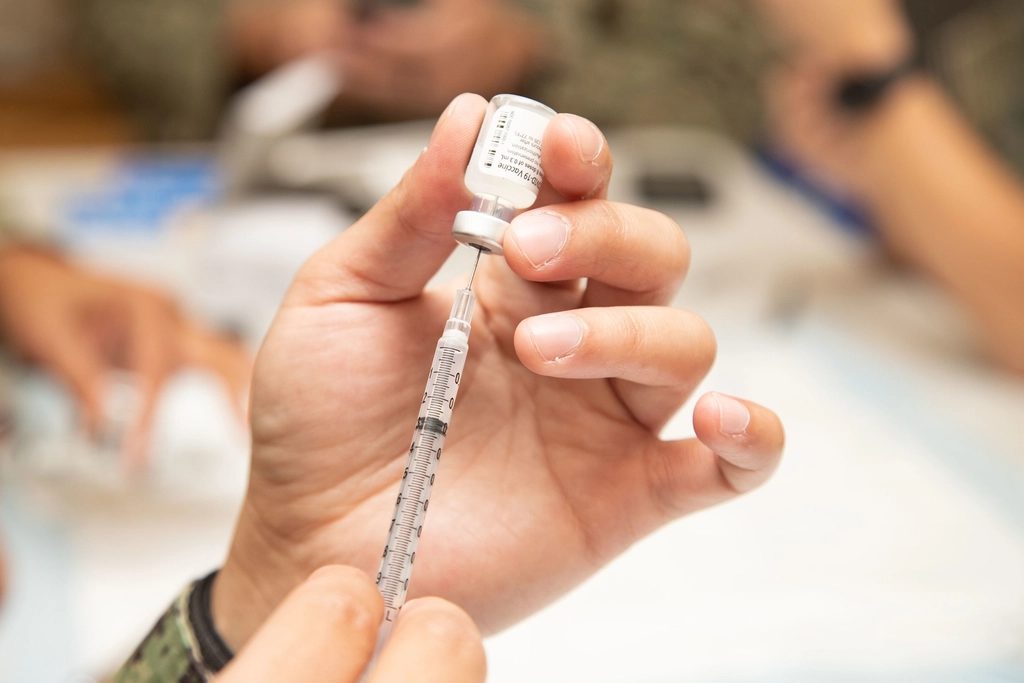
Local anesthesia: lidocaine and bupivacaine, how do they differ?
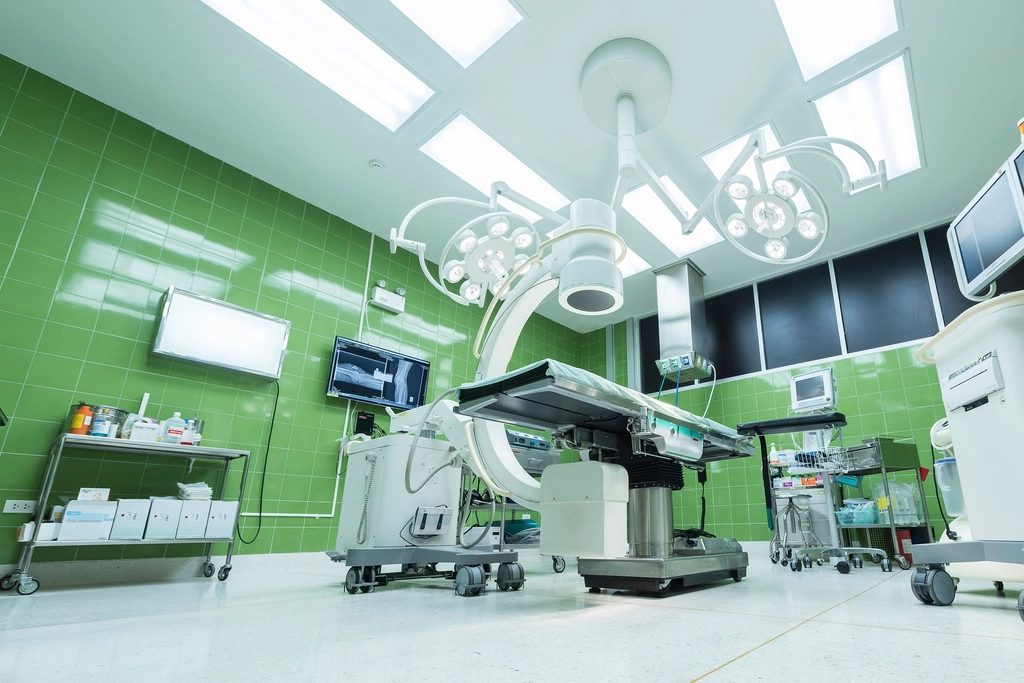
Local anesthesia makes it possible to perform anything from a simple suture to major surgery without the patient feeling pain in the treated area. The two most widely used anesthetics in Colombia are lidocaine and bupivacaine. Both belong to the amide group, but they have different characteristics that the professional takes into account when choosing between them.
How does a local anesthetic work?
Local anesthetics temporarily block the sodium channels of nerve fibers. While the block lasts, the nerve cannot transmit the pain signal to the brain. Once the medicine is eliminated, sensation returns completely. In other words, the area stays numb only for a limited time.
Lidocaine: rapid onset and intermediate duration
Lidocaine starts working within a few minutes and its effect lasts an intermediate length of time. That is why it is the usual choice for short procedures: sutures, drainage, biopsies, dental procedures or simple peripheral nerve blocks.
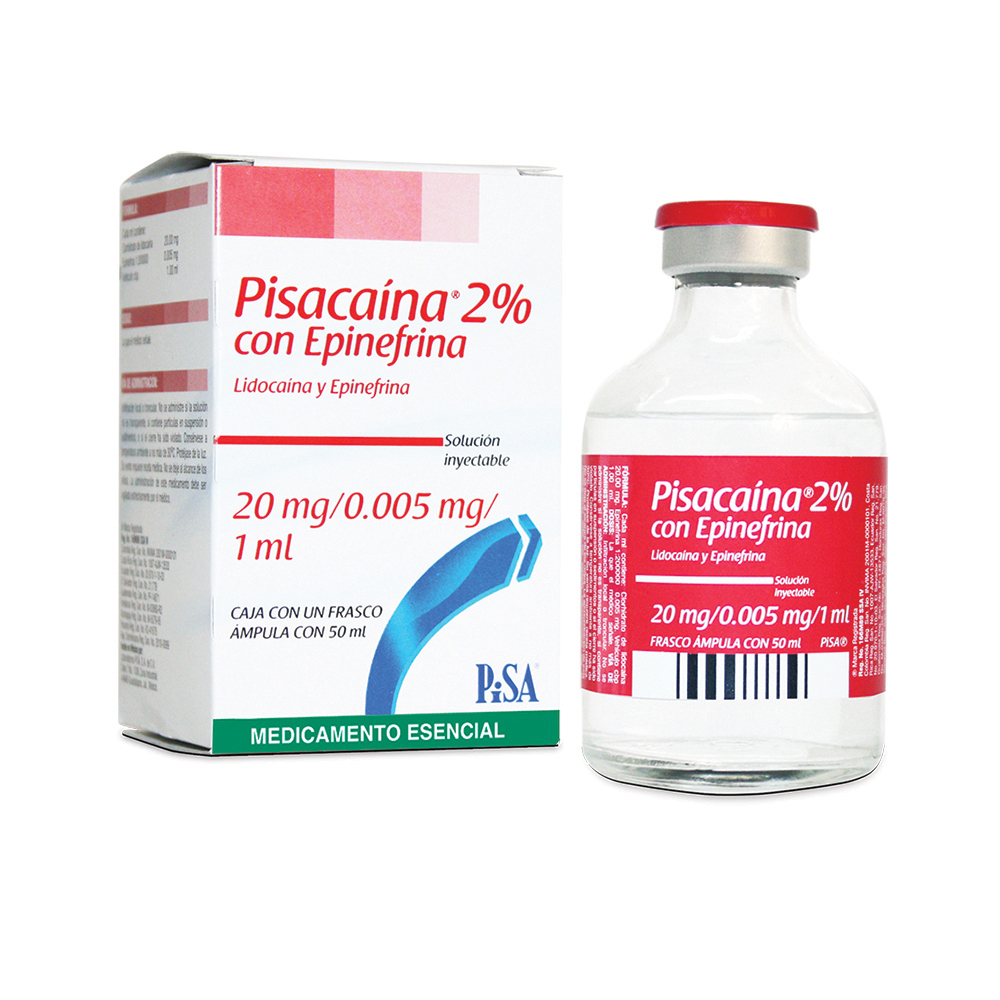
In our catalog you can find it as Pisacaína 2% without epinephrine and as Pisacaína 2% with epinephrine, in a 50 mL multi-dose vial.
What is epinephrine used for in local anesthesia?
Epinephrine is a vasoconstrictor: it narrows the blood vessels in the area. As a result, the anesthetic stays longer at the injection site, the effect is prolonged, bleeding in the surgical field decreases and less of the medicine passes into the circulation. Its use, however, is carefully assessed in certain areas of the body and in patients with some cardiovascular diseases, a decision that rests with the professional.
Bupivacaine: prolonged effect
Bupivacaine takes a little longer to take effect, but its action lasts considerably longer than that of lidocaine. It is used in regional blocks, in infiltrations to control postoperative pain and in spinal anesthesia. For the latter there is a hyperbaric presentation, known as “heavy”, which contains glucose to control how the medicine spreads in the cerebrospinal fluid.
We carry Buvacaína Pesada (hyperbaric bupivacaine) and Buvacaína 0.5%, among other concentrations.
Safety in the use of local anesthesia
Although these are very safe medicines in expert hands, an excessive dose or an accidental injection into a blood vessel can cause systemic toxicity. That is why:
- They should only be administered by trained healthcare professionals.
- The maximum dose is calculated according to the medicine, the patient’s weight and the patient’s condition.
- The syringe is aspirated before injecting, and the dose is given in fractions.
- The site must have monitoring and the supplies needed to manage an adverse reaction.
- The concentration and the expiration date are always checked before using the vial or the ampoule.
Presentations and storage
Local anesthetics come in single-use ampoules or in multi-dose vials. An opened ampoule is used immediately and any leftover is discarded. A multi-dose vial must always be punctured with a sterile needle and syringe, labeled with the date it was opened and stored according to its package insert, which also defines how long it can be used after opening.
They should be stored at a controlled temperature, protected from light and separated by concentration to avoid mix-ups. Presentations with epinephrine must be clearly distinguished from those without it, because they are not interchangeable.
Supply for clinics and medical offices
If your institution, dental office or surgical center needs local anesthetics, you can build your quote list in our online store and receive availability and prices; our team will be glad to help you. All medicines have a current health registration, which you can verify on the website of INVIMA, Colombia’s drug regulatory agency.
This article is for informational purposes only and does not replace a medical consultation. The medicines mentioned require a prescription and must be used under the supervision of a healthcare professional.