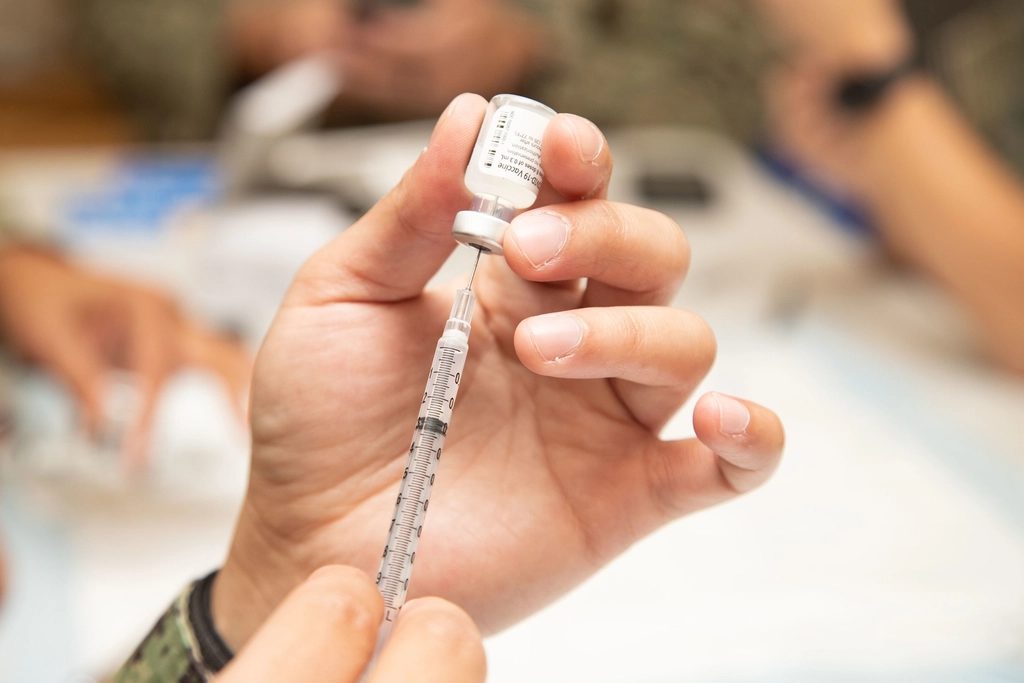
Injectable antibiotics: when they are used and how to preserve their effectiveness

Injectable antibiotics are an indispensable tool in clinics and hospitals. They make it possible to quickly reach high concentrations of the drug in the blood and tissues, which is essential when the infection is severe or when the patient cannot take medications by mouth.
When are injectable antibiotics preferred?
- Severe infections, such as complicated pneumonia, sepsis, or meningitis.
- Patients who are vomiting, unconscious, or unable to swallow.
- Infections at sites where a high and rapid concentration of the drug is needed.
- Prevention of infections before some surgeries (antibiotic prophylaxis).
Once the patient improves, the physician usually switches the treatment to the oral route when a suitable alternative is available. This shortens the hospital stay and reduces the risks associated with the catheter.
Main families of injectable antibiotics
Penicillins, such as ampicillin. They are among the oldest antibiotics and are still useful against many bacteria. Our catalog includes Meprizina (ampicillin 1 g).
Cephalosporins, such as ceftriaxone, which is widely used in respiratory, urinary, and skin infections. You can find it as Cefaxona IV.
Carbapenems, such as meropenem. They have a very broad spectrum and are reserved for severe infections or for infections caused by bacteria that are resistant to other antibiotics. We carry Pisapem (meropenem 1 g).

Preparation and administration
Many injectable antibiotics come as a powder in a vial and must be reconstituted before use. The package insert of each product states which diluent to use, at what concentration, over how long it should be administered, and how long the solution remains stable once it has been prepared. Following these instructions to the letter ensures that the patient receives the full dose and that the drug keeps its effectiveness.
It is also important to respect the intervals between doses. Many antibiotics work best when their concentration stays stable in the blood, so delaying a dose can affect the outcome of the treatment.
The challenge of antimicrobial resistance
Every time an antibiotic is used when it is not needed, at an insufficient dose, or for a shorter time than prescribed, it becomes easier for bacteria to turn resistant. The World Health Organization considers antimicrobial resistance one of the main threats to global public health.
That is why hospitals run antimicrobial stewardship programs: whenever possible, they take cultures before starting treatment, adjust the antibiotic according to the result, and choose the narrowest-spectrum option that is effective. Reserving carbapenems for when they are truly needed is part of that strategy.
Common mistakes to avoid
- Reconstituting with a diluent other than the one indicated in the package insert.
- Storing an already prepared solution for longer than its stability is guaranteed.
- Mixing drugs that are incompatible with each other in the same infusion line.
- Stopping the treatment early because the patient already feels better.
- Not asking about previous allergies, especially to penicillins.
An active pharmacy service, with clear preparation and administration protocols, reduces these errors and improves patient outcomes. Regular training of the nursing staff and the review of medical orders by the pharmacist are two simple measures that have a great impact: they detect doses that do not match the patient's weight or kidney function, duplicate prescriptions, and treatments that go on longer than necessary.
Supply for healthcare institutions
If your clinic or healthcare provider needs injectable antibiotics, you can add them to a list in our online store and request a quote. We will get back to you with availability, presentation, and price.
You can find more information about the responsible use of antibiotics in the WHO fact sheet on antimicrobial resistance.
This article is for informational purposes only and does not replace a medical consultation. The medications mentioned require a prescription and must be used under the supervision of a healthcare professional.