
Wheelchair: how to choose the right one for each patient

A wheelchair is not just a way of getting around: for many people it is the tool that gives them back their autonomy and their participation in daily life. Choosing the right model prevents discomfort, skin injuries and posture problems. These are the keys to getting it right.
First, think about who is going to use it
Before looking at models, it is worth answering a few questions: will the person be able to propel themselves, or will they always be accompanied? Will they use it for a few hours or all day? Will it be used at home, outdoors or for trips by car? The answers point to the type of equipment needed. When the need is long-term, ideally a physical therapist or occupational therapist should assess the patient.
Types of wheelchair
Standard folding: this is the most common. It is used for transfers, for temporary use after surgery or an injury, and in healthcare institutions. When folded, it fits in the trunk of a car.
Self-propelled: it has large rear wheels with a hand rim so users can propel themselves with their arms. It promotes the independence of people who have strength in their upper limbs. In our catalog you will find the self-propelled folding wheelchair.
Transport: it has small wheels and is designed to be pushed by another person. It is lighter, but the user cannot move around alone.
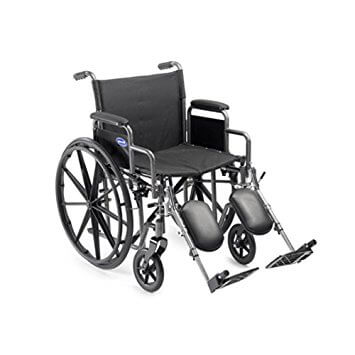
For hospital and institutional use, a brand known for its durability is Invacare: take a look at the Invacare wheelchair we carry.
Measurements that matter
- Seat width: the hips should fit comfortably, with a small space on each side, without the person sliding around.
- Seat depth: it should leave a gap of a few fingers between the edge of the seat and the back of the knee.
- Footrest height: the thighs should rest on the seat and the feet should be well supported.
- Maximum weight: check that the equipment’s weight capacity exceeds the user’s weight.
Wheelchair details that make a difference
Removable armrests and footrests make it easier to move from the bed to the chair. The brakes should be firm and easy to operate. If the person will spend many hours seated, a pressure-relief cushion helps prevent skin injuries, and changing position frequently is still essential.
For people who can still walk but need support, other aids such as crutches may be enough during recovery.
In healthcare institutions
Clinics, hospitals and rehabilitation centers need equipment that withstands intensive use and is easy to clean and disinfect between one patient and the next. It is advisable to have several sizes and models for heavier patients, and to define who inspects the equipment and how often. A damaged chair in a hallway is a fall risk for the patient and for the staff who transfer them.
It is also good practice to teach the patient and their family to lock the brakes before every transfer and to lift the footrests when getting into or out of the wheelchair. When pushing it up a ramp, go forward; when going down, go backward, controlling the speed; and to get over a curb, tilt it back, resting on the large wheels. These are simple details that prevent falls and give confidence to the person using it.
Maintenance
Regularly check the pressure of pneumatic tires, the adjustment of the brakes and the condition of the upholstery. A well-maintained chair lasts longer and is safer to use every day, both at home and in a healthcare facility.
The World Health Organization highlights that access to appropriate assistive products improves people’s health, independence and inclusion. You can read more in its fact sheet on assistive technology.
If you are looking for a wheelchair for your institution or for a family member, request a quote in our online store.