
Antiretroviral therapy: what every person living with HIV should know

Antiretroviral therapy (ART) completely changed the history of HIV. Today, a person who is diagnosed, starts treatment on time and takes it consistently can have a life expectancy and quality of life very similar to those of someone without the virus. In this guide we explain, in plain language, what it is, how it works and what care it requires.
What is antiretroviral therapy?
It is a combination of several medicines that stop HIV from multiplying inside the body. The virus needs several enzymes to copy itself; each family of antiretrovirals blocks one of those stages. By combining medicines from different families, the virus has very few chances to escape and develop resistance.
The goal is to achieve an undetectable viral load: an amount of virus in the blood so low that laboratory tests cannot measure it. When this is maintained over time, the immune system recovers and the virus is not transmitted sexually, a principle known as “undetectable = untransmittable”.
The main families of medicines
- Integrase inhibitors, such as dolutegravir, bictegravir and raltegravir. Today they form the backbone of most first-line regimens because of their efficacy and good tolerability.
- Nucleoside reverse transcriptase inhibitors, such as tenofovir, emtricitabine, lamivudine and abacavir.
- Protease inhibitors, such as darunavir, which is usually given together with ritonavir or cobicistat to boost its effect.
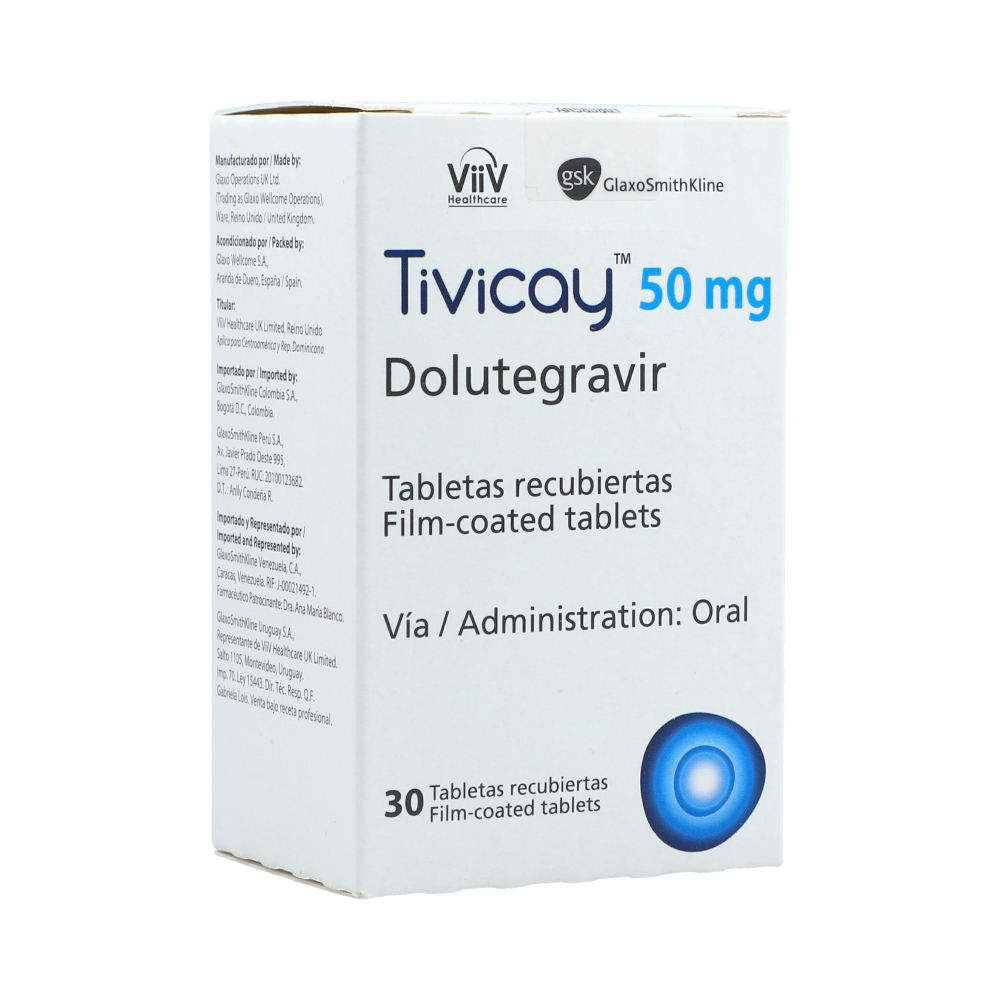
Many current regimens combine two or three active ingredients in a single daily tablet, which greatly simplifies treatment. This is the case with Biktarvy or Genvoya. Others are used as part of a combination, such as Tivicay (dolutegravir 50 mg), Kivexa (abacavir + lamivudine) or Furthas R (darunavir + ritonavir).
Adherence: the heart of antiretroviral therapy
No regimen works unless it is taken as prescribed. Frequently missing doses allows the virus to start multiplying again and, over time, to develop resistance to the medicines. Here are some practical tips to help you stay on track every day:
- Take your medicines every day at the same time; an alarm on your phone helps a lot.
- Do not stop or change your treatment on your own, even if you feel well.
- Request your prescription refill in advance so you never run out of medicine.
- If you have side effects, talk to your doctor: there are almost always alternatives.
Monitoring and precautions
Follow-up includes periodic viral load and CD4 lymphocyte tests, as well as kidney and liver function tests depending on the medicine. Before starting some drugs, such as abacavir, the doctor may order specific tests to rule out hypersensitivity reactions.
It is also important to tell every health professional who treats you about all the medicines, supplements and natural products you take, because some of them interact with antiretrovirals and change how they work. Antacids and calcium or iron supplements, for example, can reduce the absorption of certain integrase inhibitors if they are taken at the same time.
Access to medicines
In Colombia, antiretroviral therapy is included in the health benefits plan and is dispensed through the EPS (the patient’s health insurer). Clinics, IPS (healthcare provider institutions), comprehensive care programs and pharmaceutical managers can request a quote from us for the medicines we carry in our online store: add them to your quote list and we will reply with availability and prices.
To learn more about HIV, how to prevent it and the status of treatment around the world, you can consult the official information from the World Health Organization.
Our team is available to answer your questions about availability and presentations.
This article is for informational purposes only and does not replace a medical consultation. The medicines mentioned require a prescription and must be used under the supervision of a healthcare professional.